Neuschwanstein Castle:
Bavaria's fairytale castle
Hardly any other place epitomises the magic of Bavaria as much as Neuschwanstein Castle. Perched high up on a rock near Füssen, King Ludwig II's fairytale castle attracts millions of visitors from all over the world year after year.
The romantic 19th century building is one of Germany's most famous landmarks and was even used as a model for Disney's Sleeping Beauty Castle. No wonder: the towers, battlements and secluded location in the middle of the mountains make Neuschwanstein Castle a place that looks like it has come straight out of a fairy tale. Anyone strolling through the magnificent interiors will feel the spirit of the fairytale king and immerse themselves in the dreams, visions and history of Bavaria. A visit to Neuschwanstein Castle is like travelling back in time to a world of fantasy and romance.
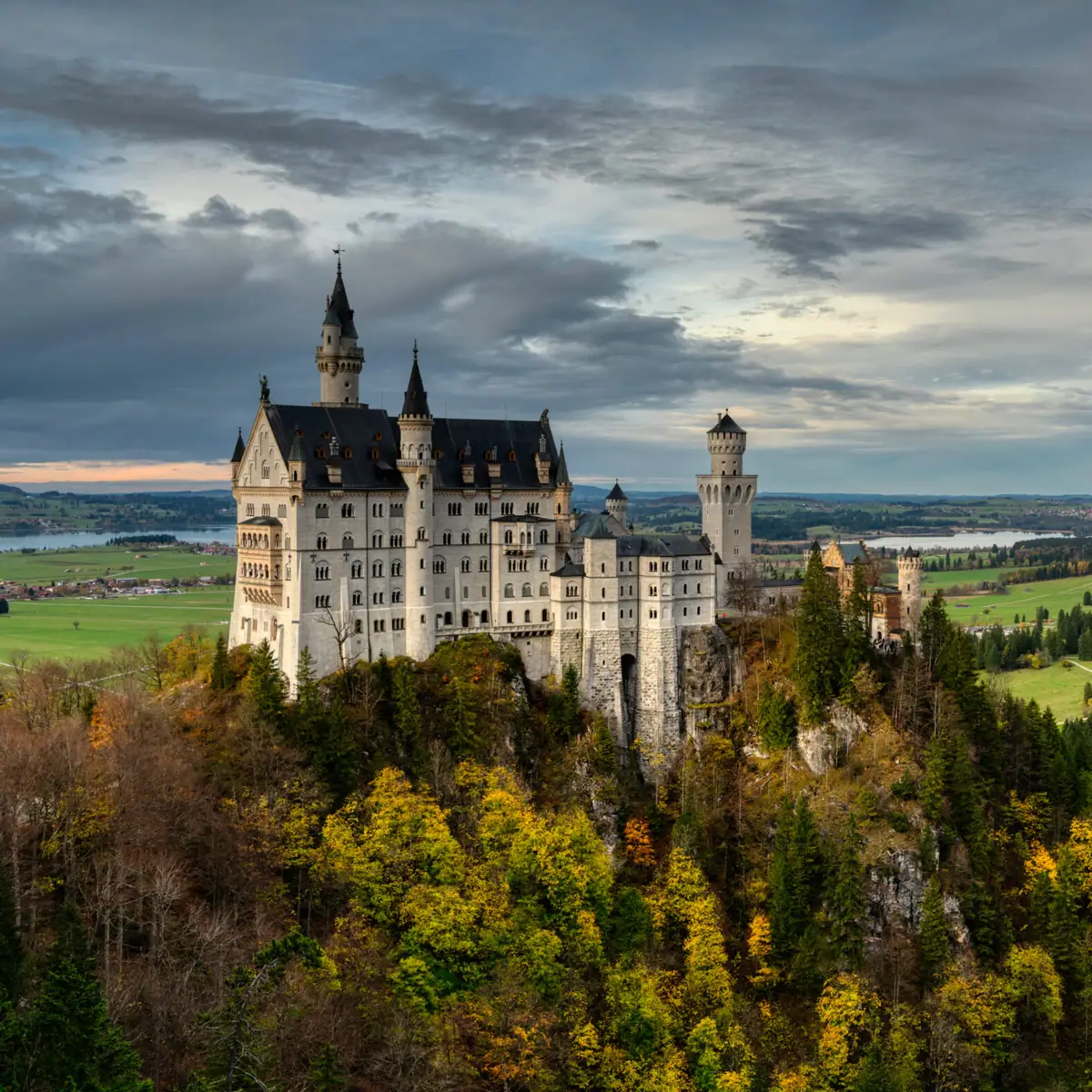
History of
Neuschwanstein Castle
Neuschwanstein Castle was commissioned by King Ludwig II in 1869 as a retreat and homage to the music of his honoured friend Richard Wagner. Inspired by medieval knights' castles, Ludwig had a building constructed here that combines Gothic, Romanesque and Byzantine style elements to create a unique ensemble.
However, the king never lived to see the completion of his dream castle. When Ludwig II died under mysterious circumstances in 1886, the castle was still unfinished. Today, Neuschwanstein is considered one of the most famous buildings in Europe and symbolises the longing for beauty, solitude and artistic freedom.
Those who take part in a guided tour of Neuschwanstein Castle will not only discover ornate murals, opulent halls and royal furniture, but also the mind of a man who turned a fairy tale into reality.
Photo: © Bayerische Schlösserverwaltung, Martha Feustel
Neuschwanstein Castle today
Our tips for your visit
- Entry to the castle is only possible as part of a guided tour - so it is best to book tickets online in advance (especially in summer).
- Remember to wear sturdy shoes - the path up is steep!
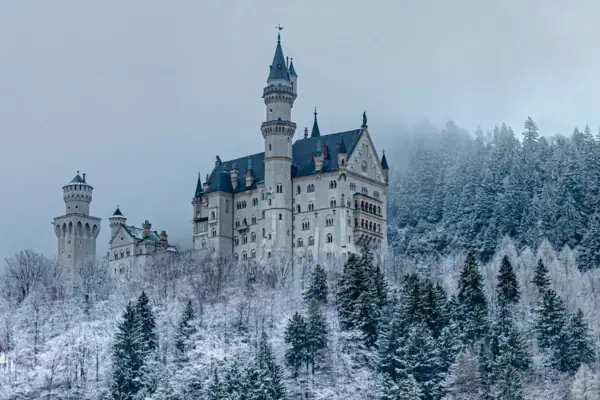
- The best time to visit is between May and October, but the castle is also a dream in winter. Covered in snow, it looks like a Christmas fairy tale, but be careful: The ascent can be slippery in winter.
Guided tours & ticket prices
Admission price: € 20-25 per person*
Reduced tickets: for students, senior citizens, severely disabled people and holders of the guest card
Children & young people (up to 17 years): € 2.50*
Duration of the tour: approx. 30 minutes
Languages: German & English
During the tour, you will explore ornately decorated halls, magnificent ceiling paintings and the famous throne room, which is reminiscent of a Byzantine cathedral. As the palace is particularly busy in the high season, we recommend booking online in advance to avoid waiting times.
Photo: © Bayerische Schlösserverwaltung, kreativ-instinkt
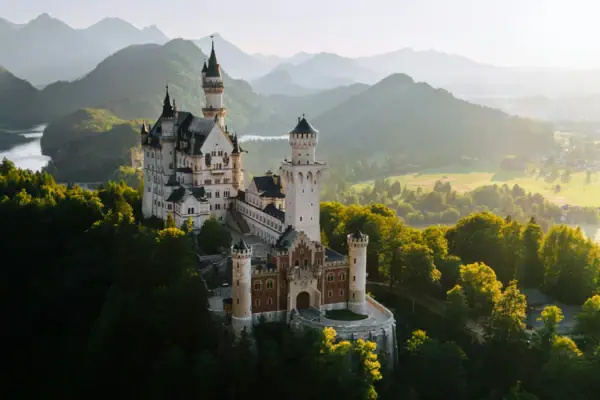-2400x1599-600x400.webp "Neuschwanstein Castle")
Directions & parking facilities
Travelling by car:
Take the A7 motor way (Füssen exit) or the B17 from Augsburg. From the town of Füssen, it is around 5 km to Hohenschwangau. There are car parks in the valley (subject to a charge), from where you can reach the castle on foot or by shuttle bus. The journey only takes a few minutes - the rest is along a well-maintained path with a fantastic view of the castle.
Getting there by public transport:
Take the train to Füssen, then continue by bus to Hohenschwangau (bus stop: Schwangau, Neuschwanstein Castles).
FAQs about
Neuschwanstein Castle
When was Neuschwanstein Castle built?
Construction began in 1869 on the orders of King Ludwig II of Bavaria. Although many areas were completed, the palace remains unfinished to this day.
How much does admission to Neuschwanstein Castle cost?
Admission costs €23.50* per adult (as of April 2025).
Children and young people up to and including the age of 17 pay €2.50*.
All tickets include a 30-minute guided tour of the castle.
Can you visit Neuschwanstein Castle without a guided tour?
No, access is only possible as part of a guided tour. The guided tours take place regularly in German and English.
What is the best way to get to Neuschwanstein Castle?
The easiest way to travel is by train to Füssen and then by bus to Hohenschwangau.
If you are travelling by car, park in the valley and walk the rest of the way or take the shuttle bus.
Our tip: Book your ticket online in advance to avoid waiting times.
Is Neuschwanstein Castle open in winter?
Yes, the castle is open all year round, only closed on 24, 25, 31 December and 1 January.*
In winter there is often snow here too, but be careful: the ascent can be slippery!
Where exactly is Neuschwanstein Castle?
The castle is located above the municipality of Schwangau in the Allgäu, just a few kilometres from Füssen.
The starting point for the ascent is the village of Hohenschwangau, where the last car parks are located.
Please note that opening hours and prices are subject to change.
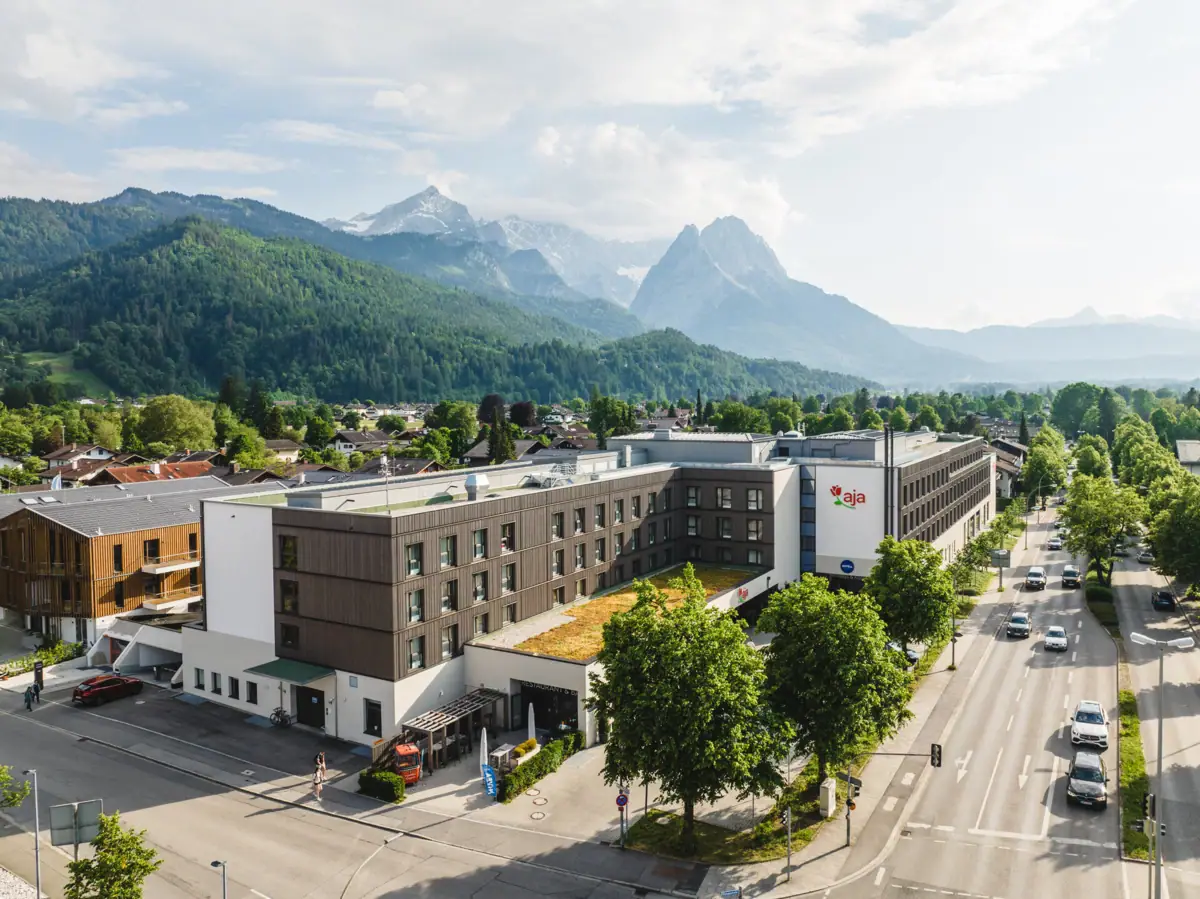
aja Hotel in
Garmisch-Partenkirchen
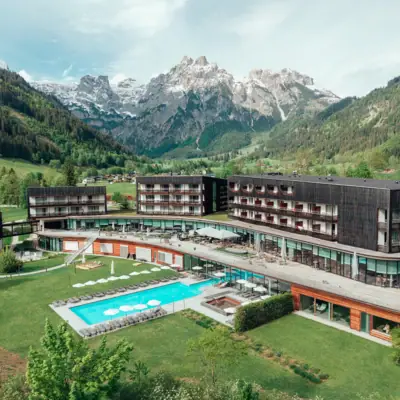
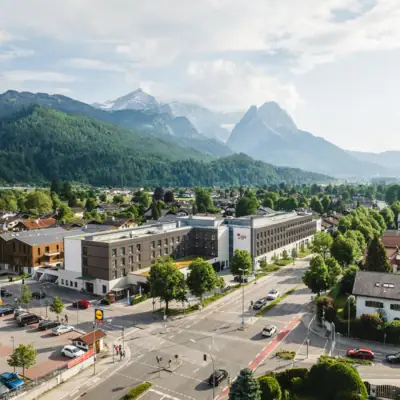
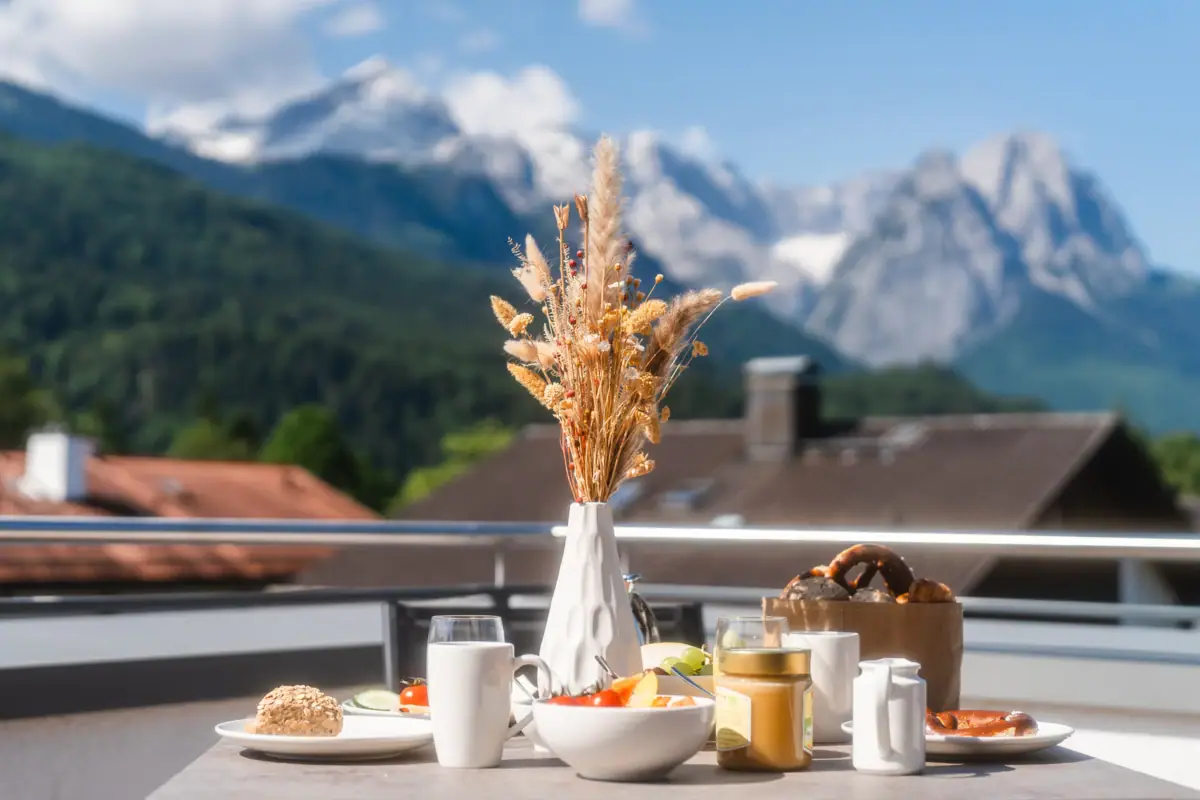
Neuschwanstein Castle is one of the absolute highlights in the region and from the aja Hotel Garmisch-Partenkirchen you can be there in just about an hour by car. A perfect day trip: breakfast with a mountain view in the morning, then off to King Ludwig II's fairytale land.
But Neuschwanstein is just the beginning. From here, many more sights await: the Zugspitze, the Eibsee, the Partnachklamm gorge and countless hiking trails in the heart of the Alps. The aja Garmisch-Partenkirchen is your ideal starting point to experience Bavaria in all its diversity.
Perfect starting point for activities
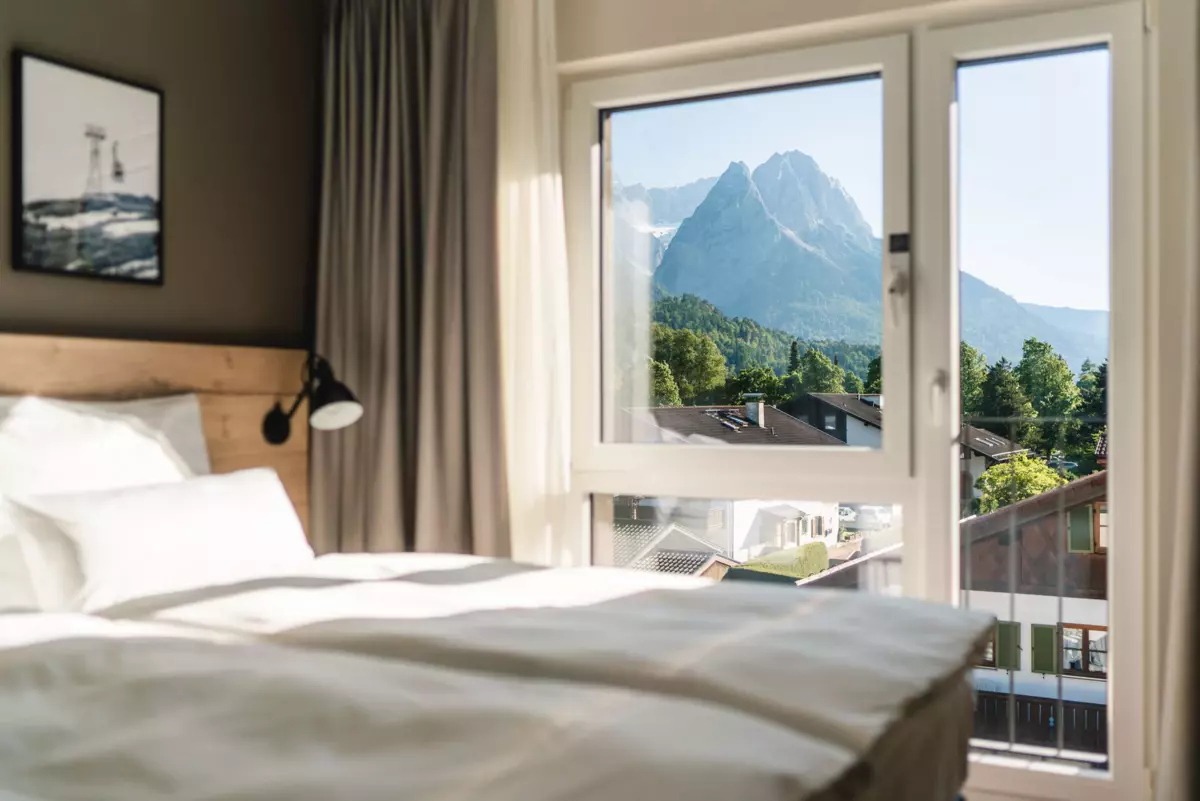
Room with mountain view & modern design
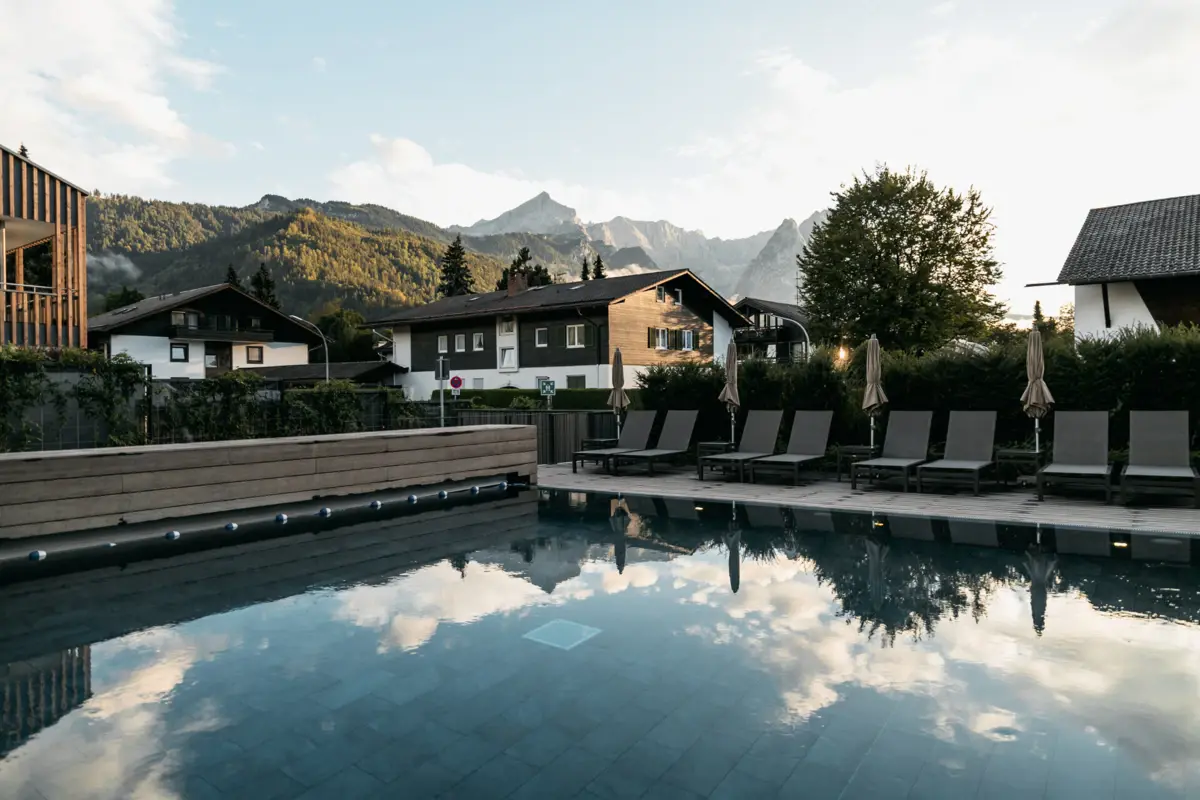
Heated outdoor pool with panoramic views
Fitness area & aja SPA with NIVEA shop
E-mountain bike hire
Bar & terrace with a view of the Alps
GreenSign certified (Level 4)
More experiences & activities
in and around Garmisch-Partenkirchen
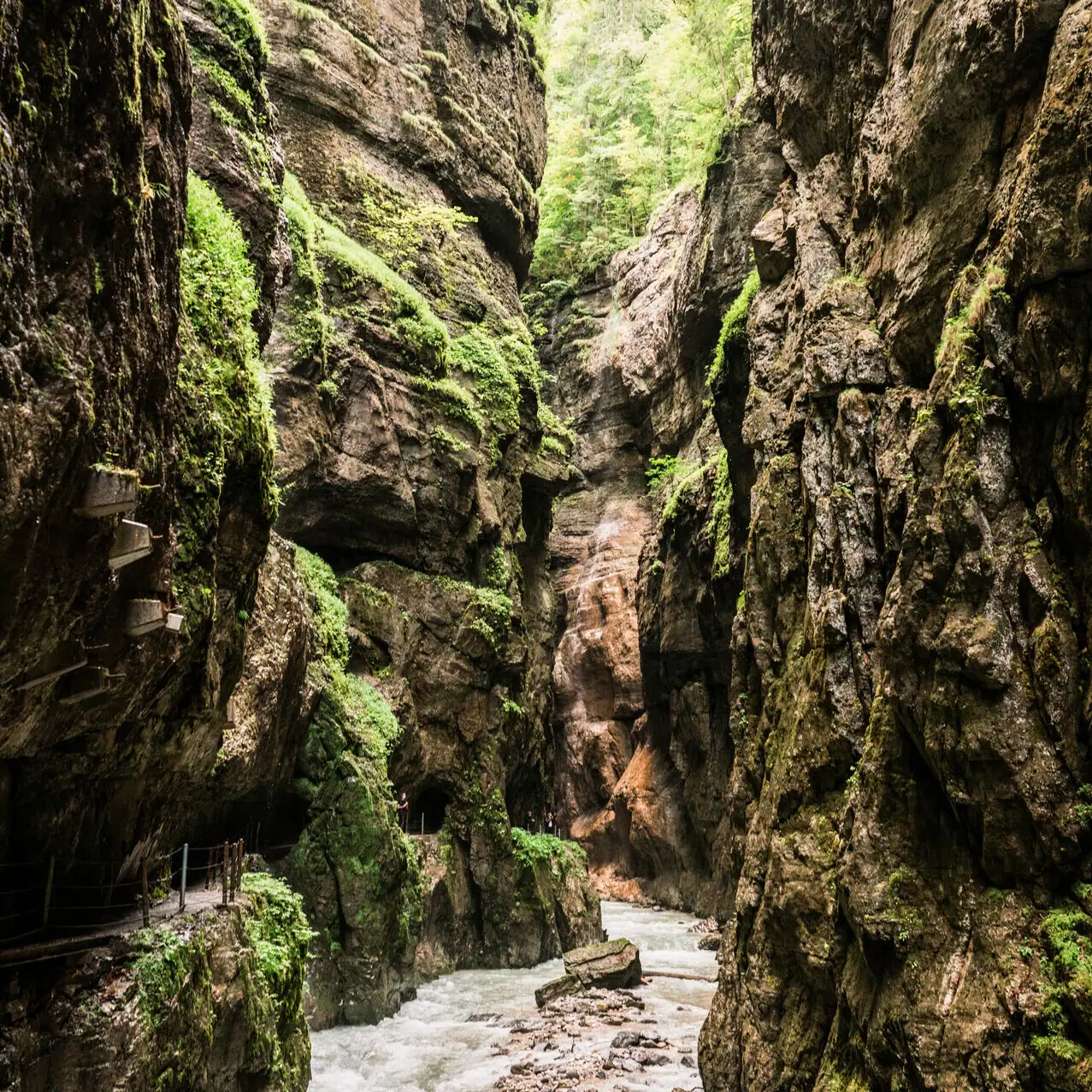
Partnach Gorge Garmisch-Partenkirchen
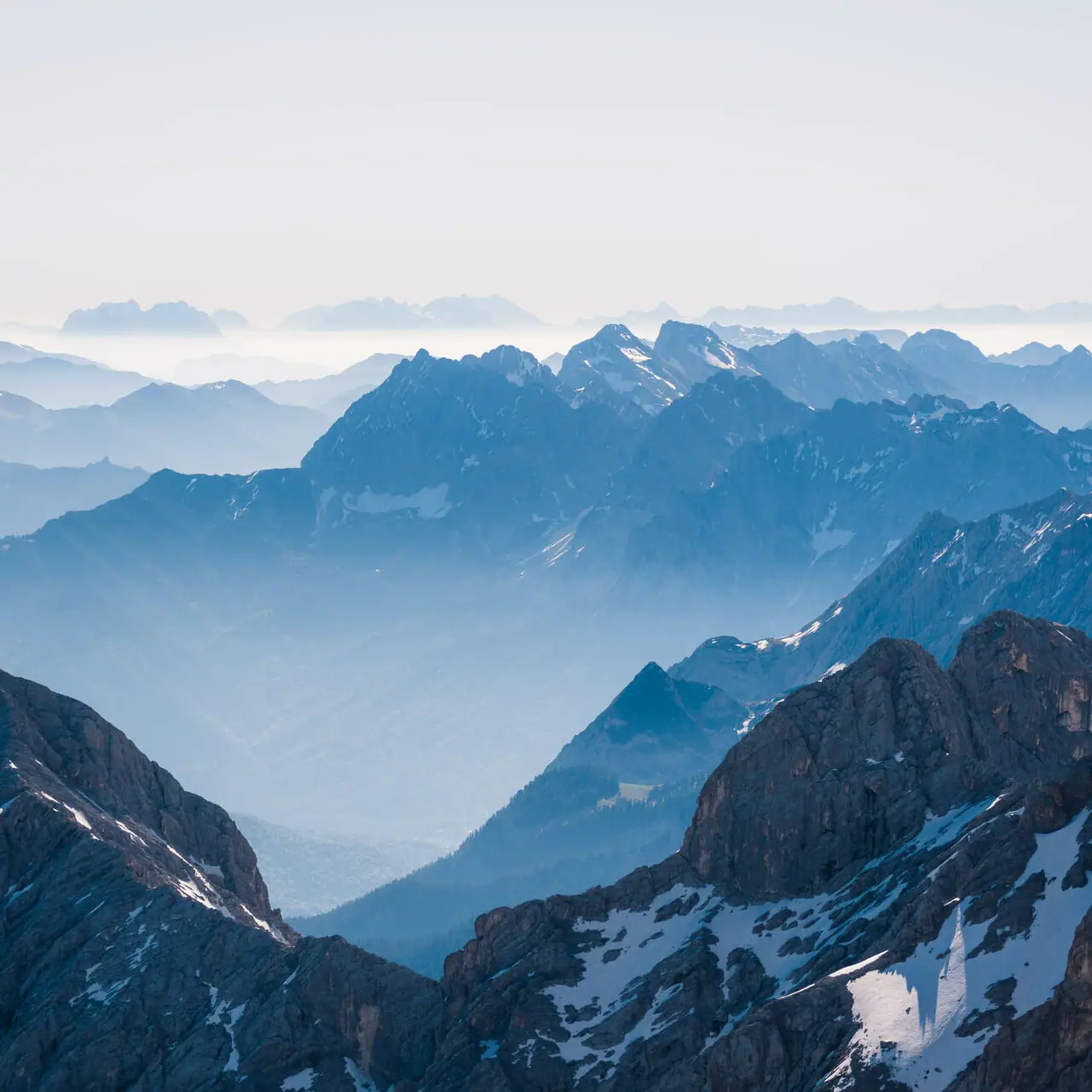
From Garmisch to the Zugspitze
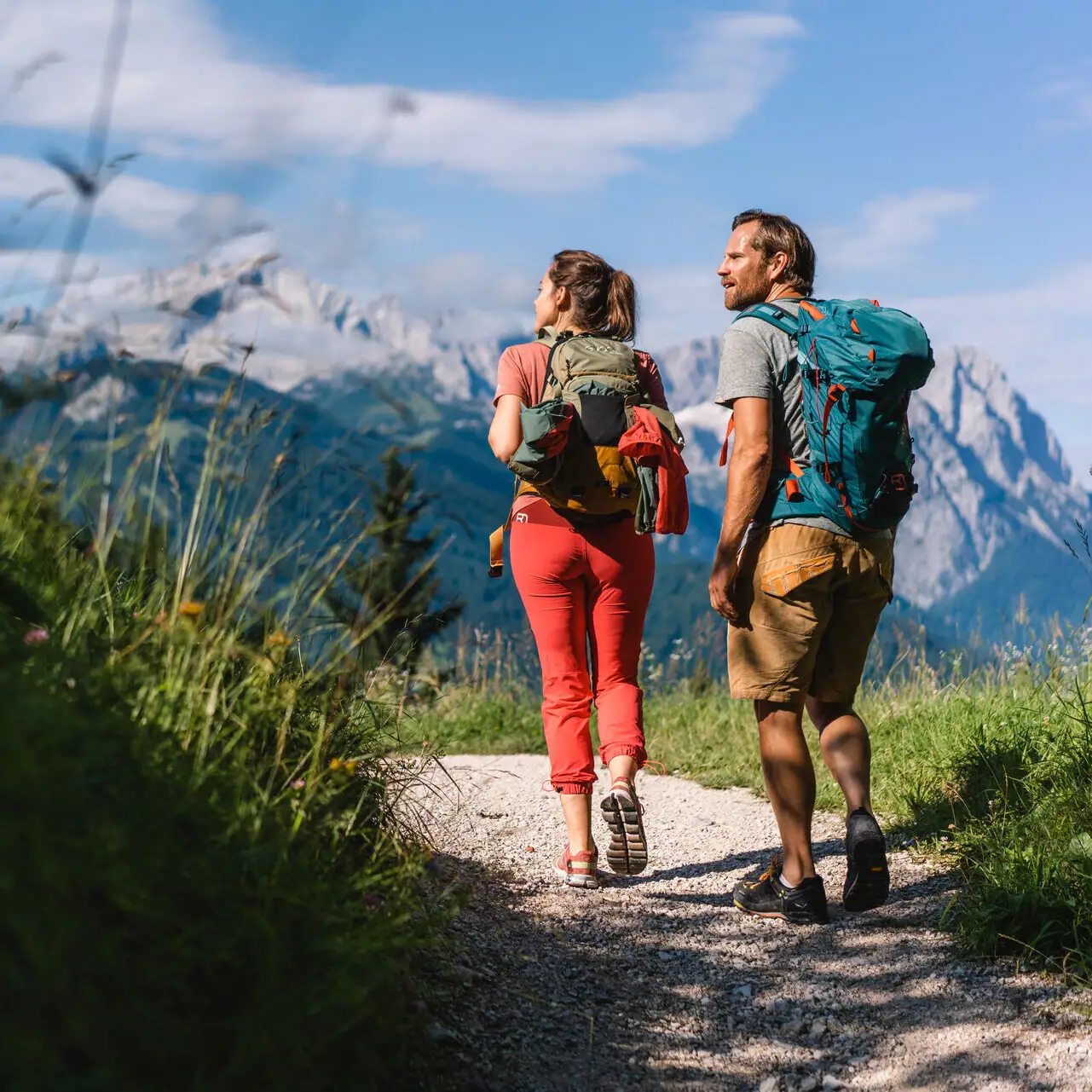
Hiking in Garmisch-Partenkirchen
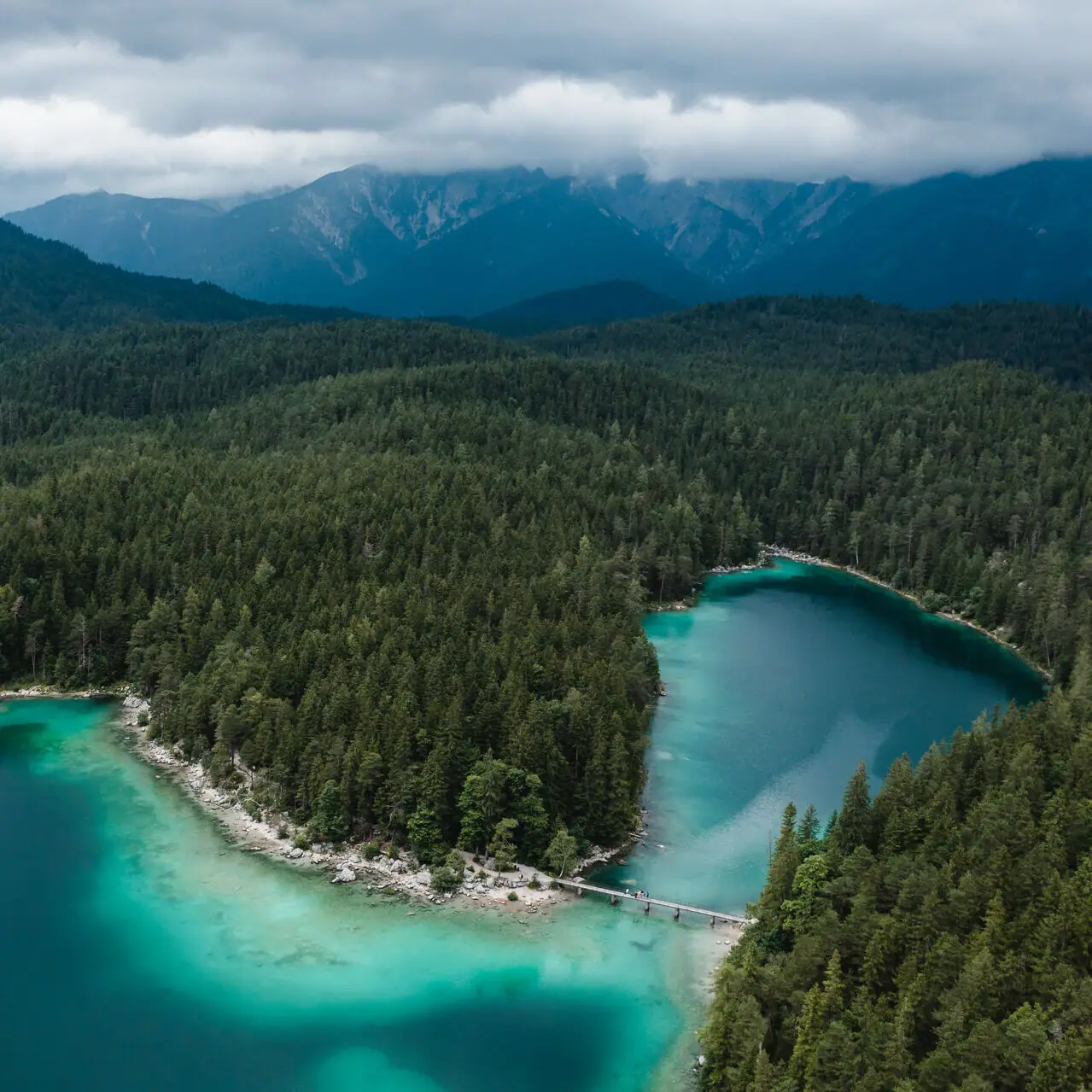
Eibsee: Your day at the picturesque mountain lake
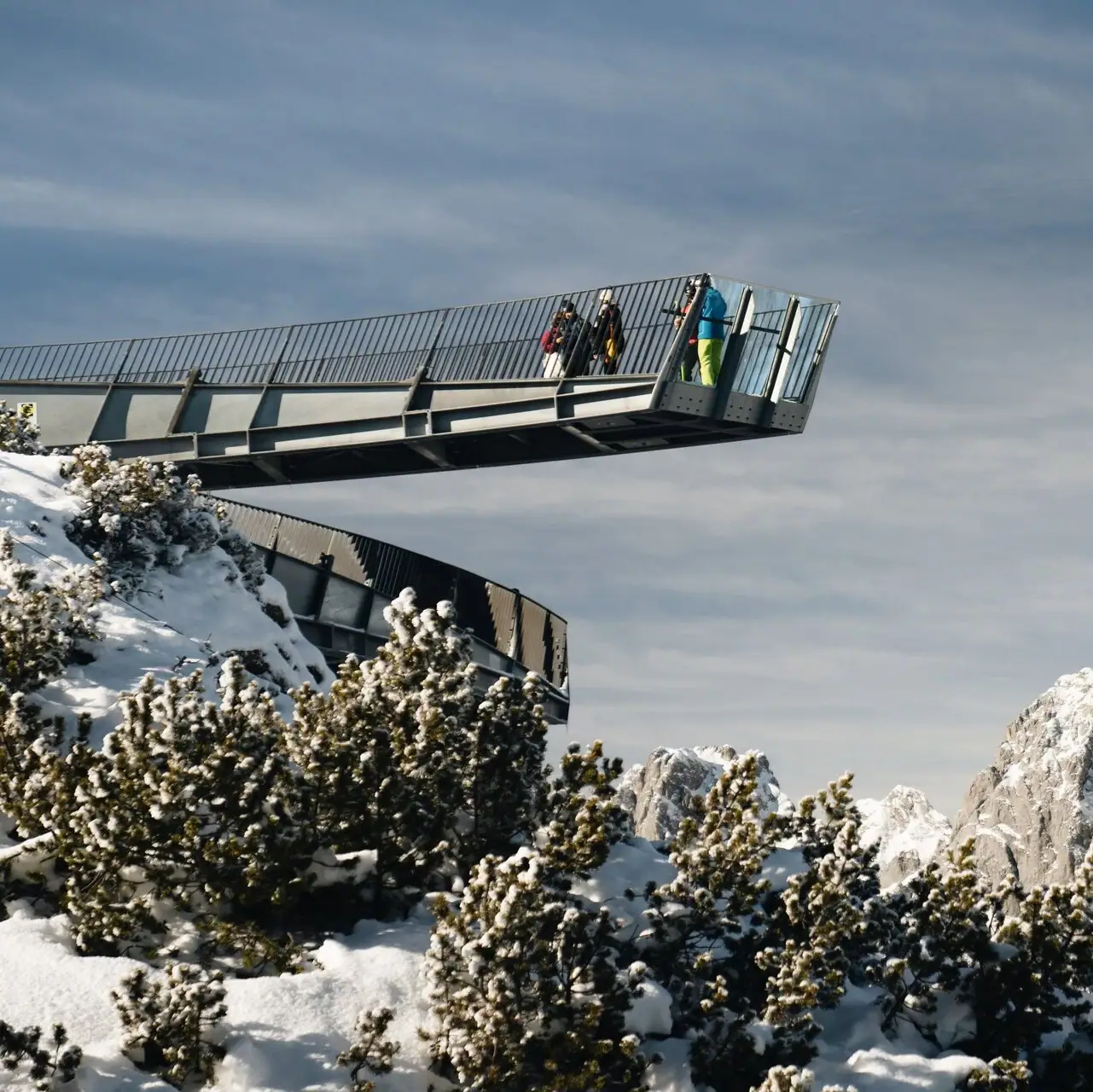
AlpspiX viewing platform - Alpine seats
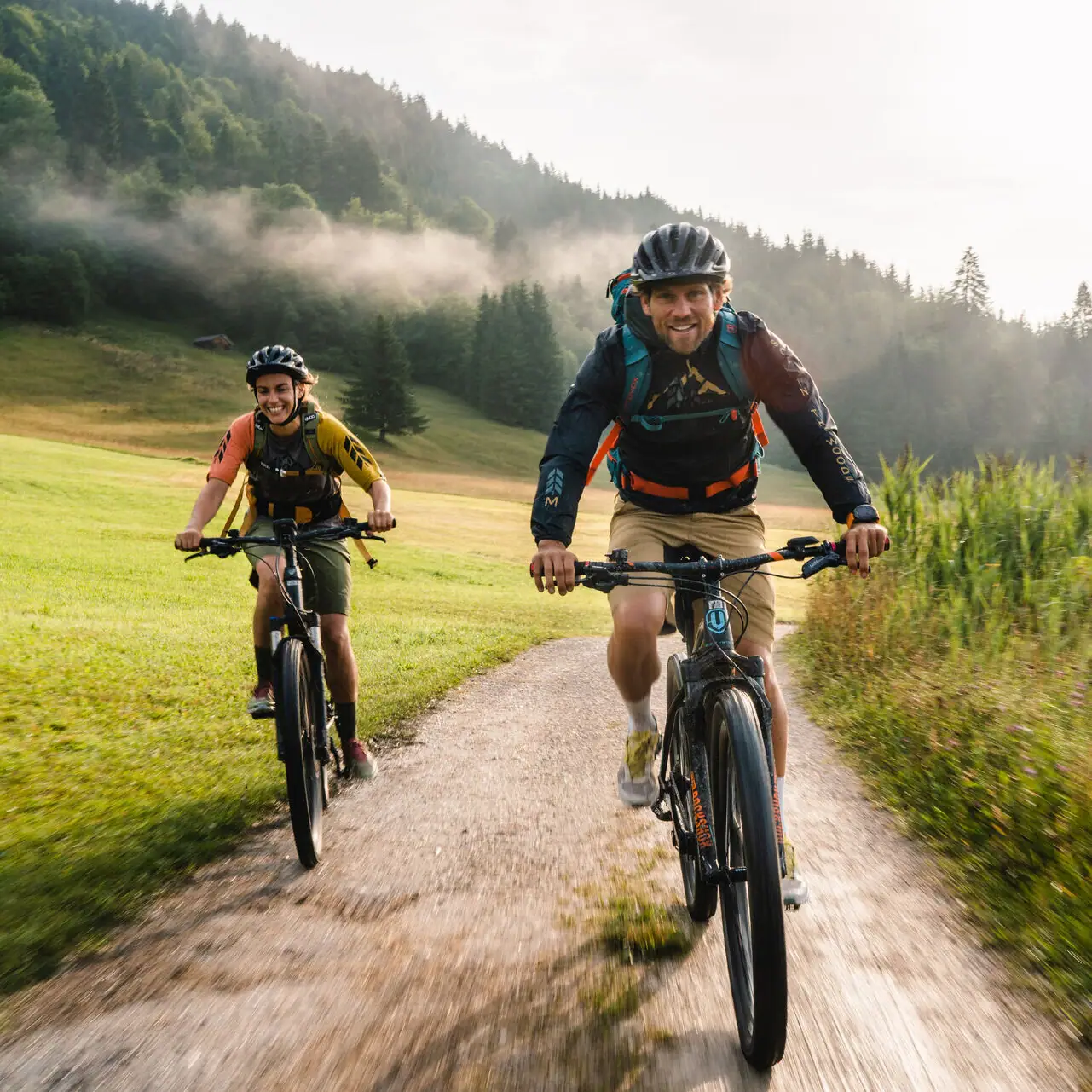
Garmisch cycle paths
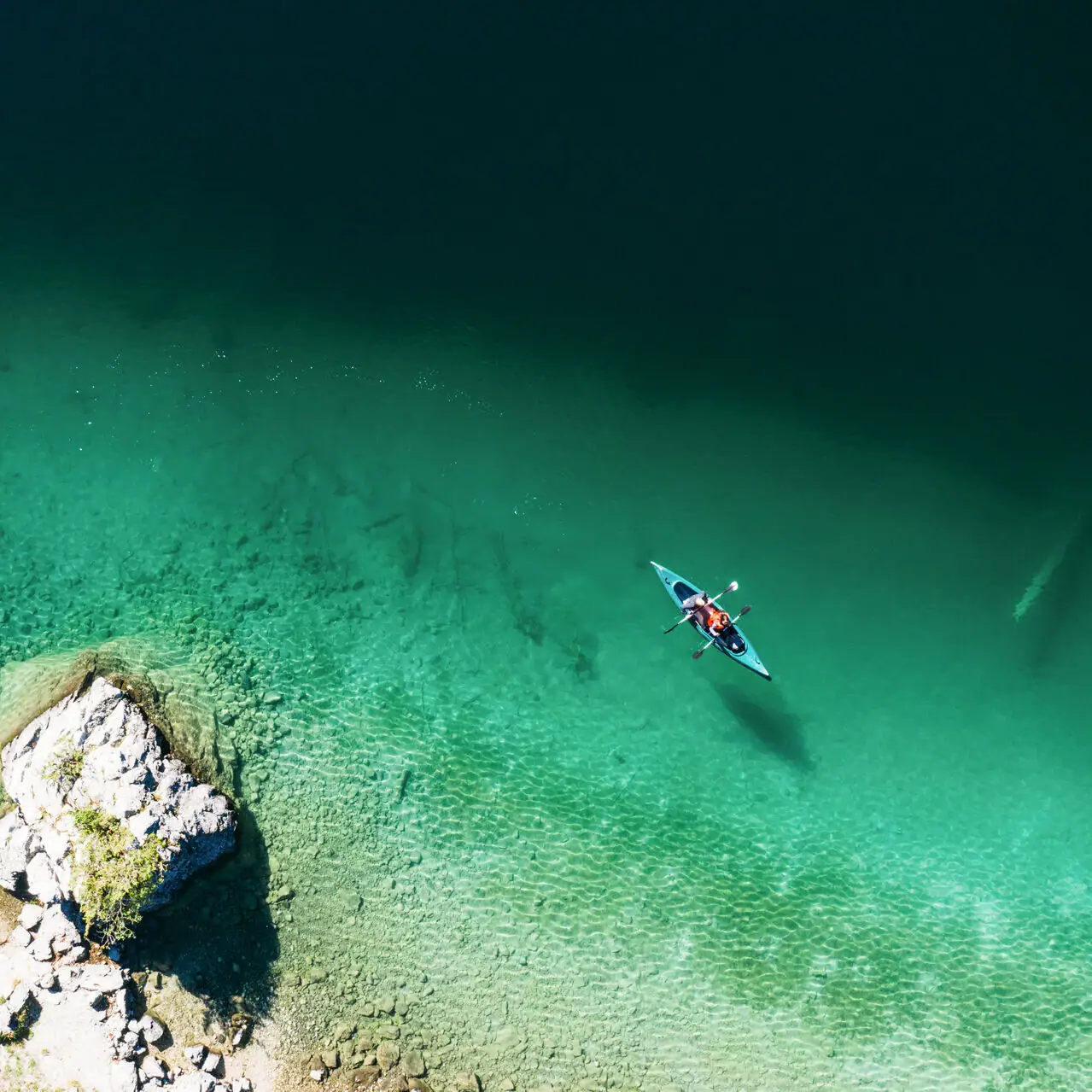
Water sports & rafting Garmisch
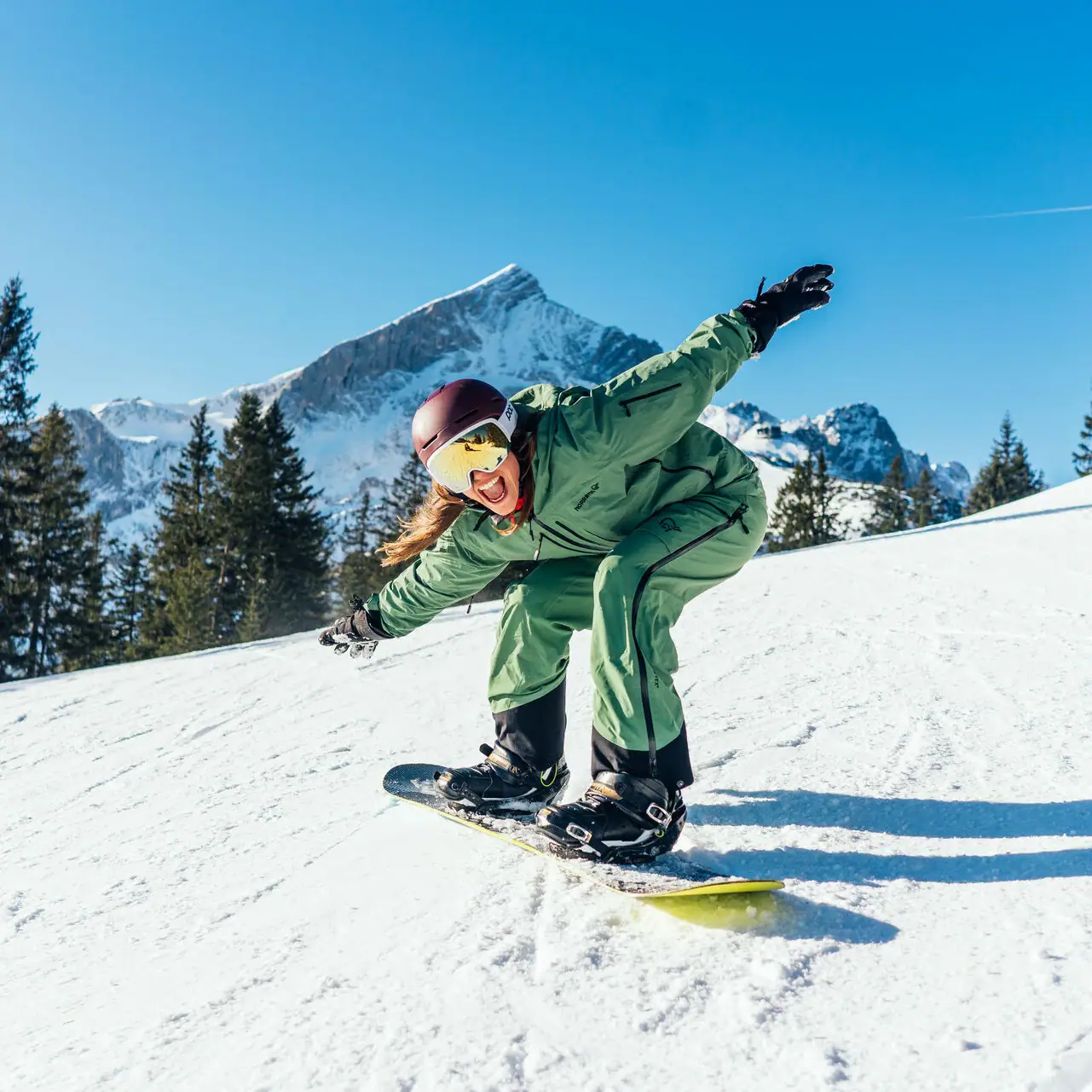
Garmisch-Partenkirchen ski resort
-400x400.webp "aja Beach Hotel Bansin")