A trip to the Fehmarn Belt Tunnel:
Europe’s largest infrastructure project
The Fehmarn Belt Tunnel will soon be the longest immersed tunnel in the world, and you can watch it being built live. From Grömitz, you can reach the construction site in just under 45 minutes. Here you’ll find the key facts about the tunnel, tips for your trip and everything you need to know for a stop-off at aja Grömitz.
-960x1281-960x1281.webp "Fehmarn Belt Tunnel")
What exactly is the Fehmarn Belt Tunnel?
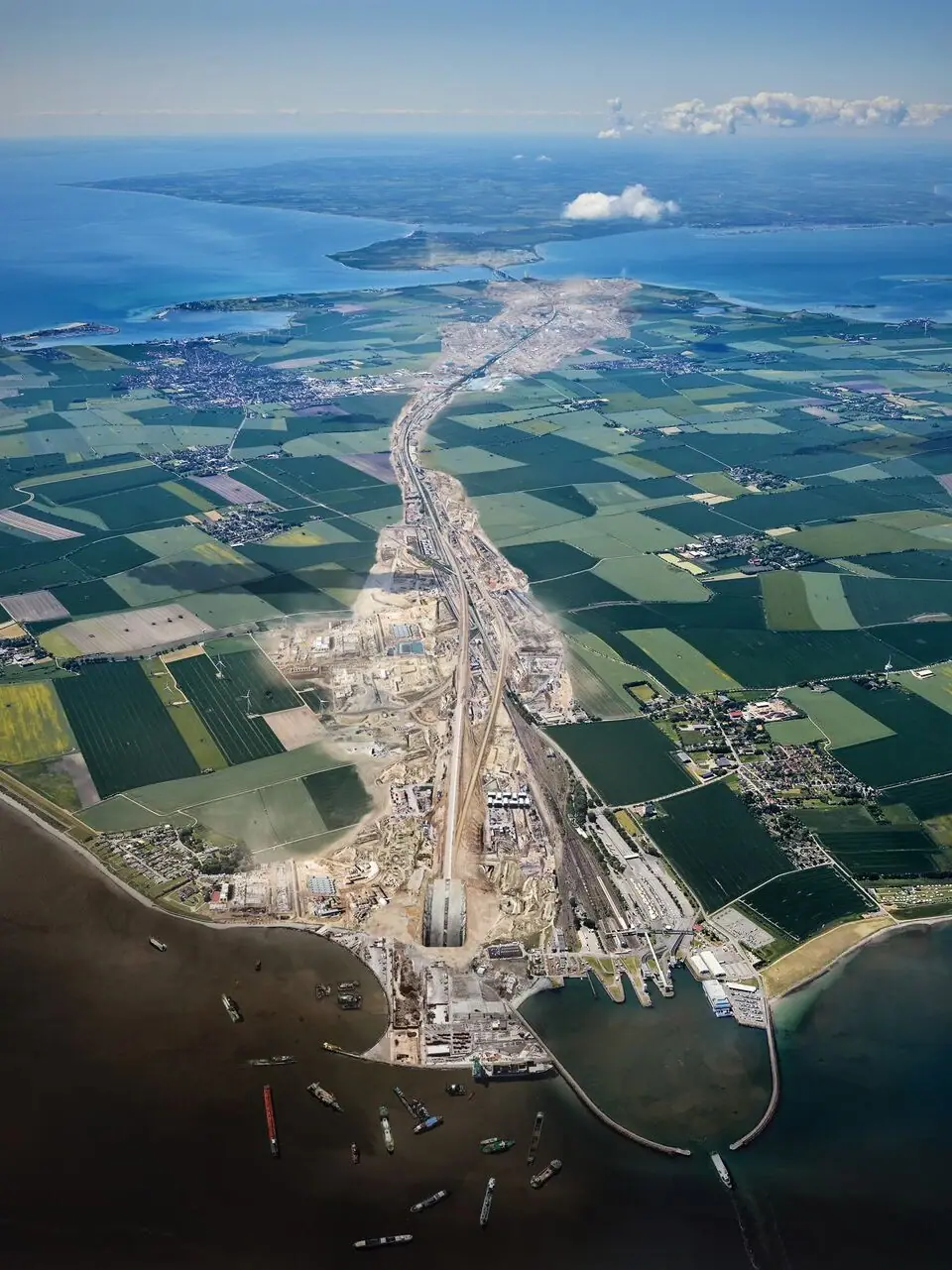
The tunnel connects the German island of Fehmarn with the Danish island of Lolland. It replaces the ferry between Puttgarden and Rødbyhavn, which has been carrying cars and trains across the Baltic Sea since 1963. It is not yet complete. Nevertheless, the construction site is already well worth a visit.
Key facts at a glance:
Route: Puttgarden (Fehmarn) ↔ Rødbyhavn (Denmark)
Length: around 18 kilometres
Construction method: immersed tunnel comprising 89 precast concrete segments, each 217 metres long and 42 metres wide
Tubes: two for cars and lorries, two for trains, with a narrow service corridor in between
Journey time once completed: approx. 10 minutes by car, 7 minutes by train
Start of construction: January 2021 in Denmark, November 2021 in Germany
Planned opening: 2031 (as at July 2026); the full railway line is due to follow in 2032
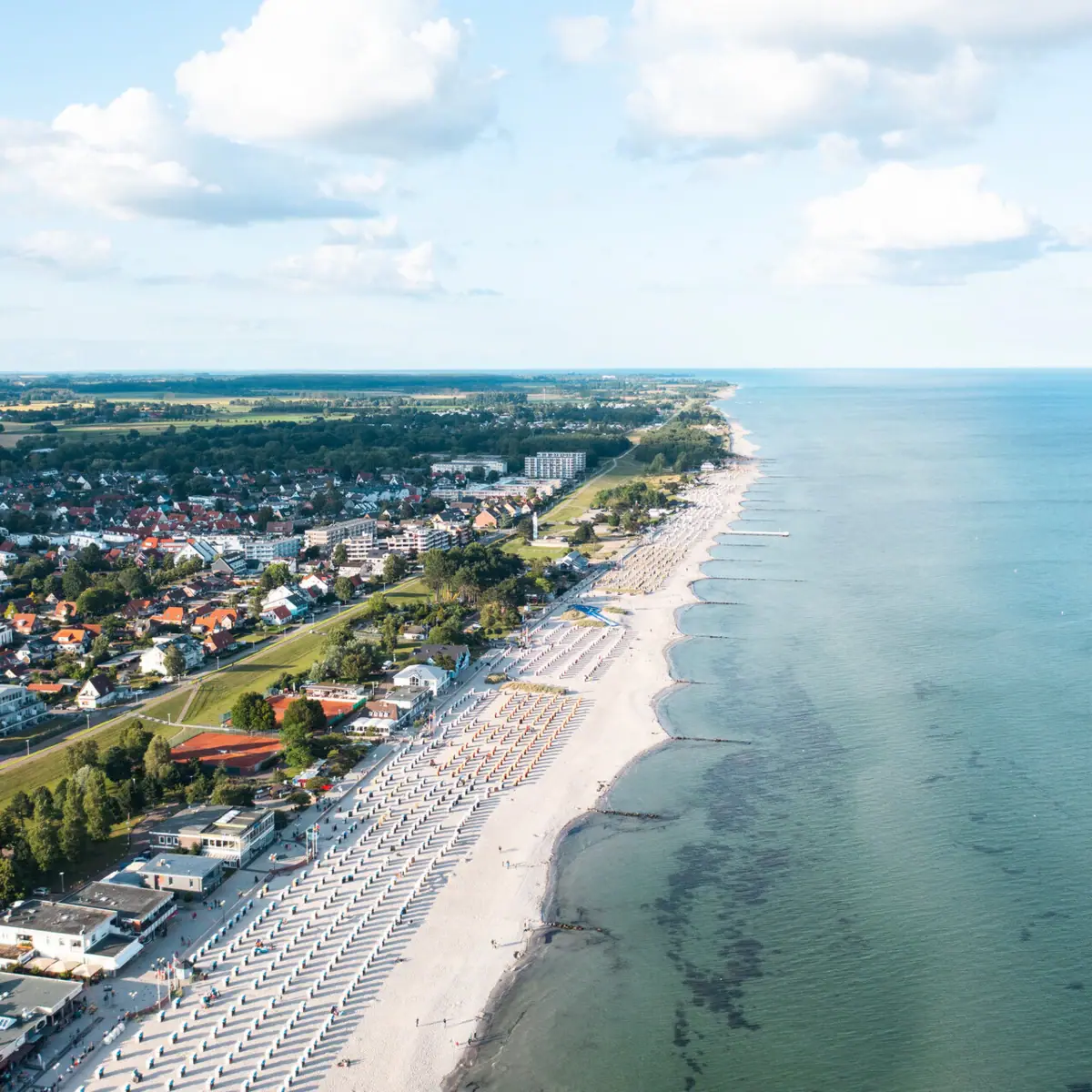
From the aja Grömitz to the tunnel construction site
From the aja Grömitz, it’s around 55 kilometres to Puttgarden on Fehmarn – just under 45 minutes by car via the A1. A perfect day trip for your Fehmarn Belt Tunnel and Baltic Sea holiday.
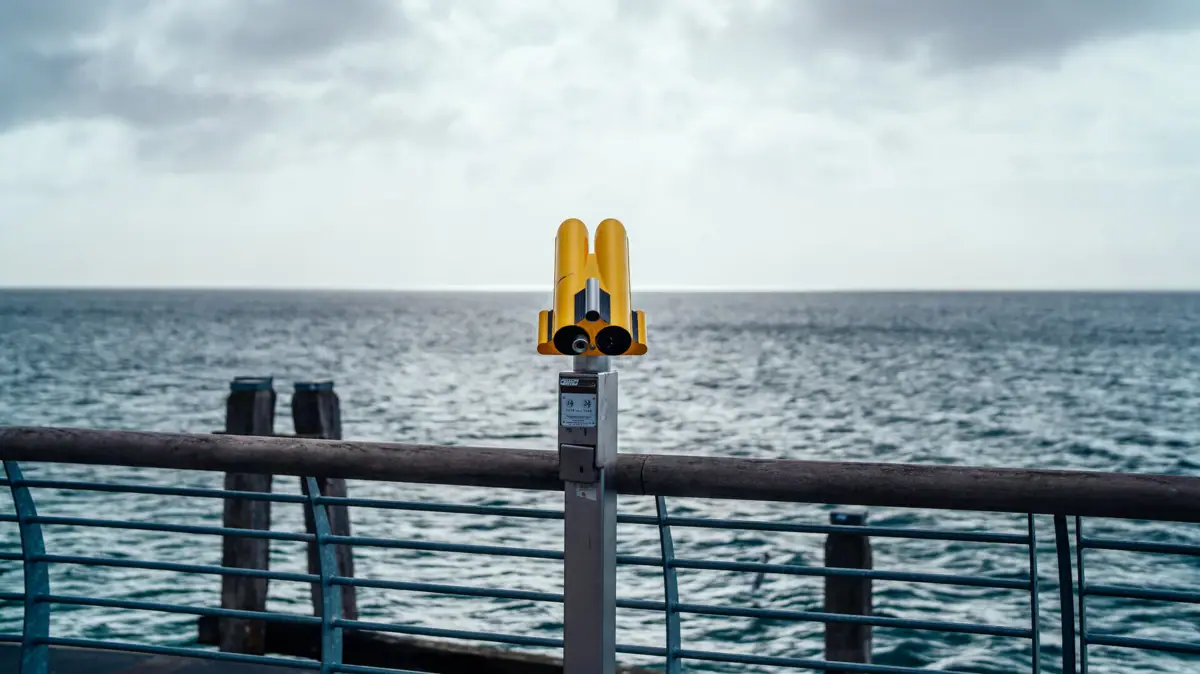
Right next to the German construction site on Marienleuchter Weg, there has been a viewing platform with binoculars and information boards since 2025 – here you can view the Fehmarn Belt Tunnel without actually entering the construction site. If you’d like to find out more, head to the information centre in Burg on Fehmarn. There, Femern A/S explains how concrete and the seabed are being transformed into a landmark structure that will stand for a century.

aja Offers & Packages
for your holiday in Grömitz

Deluxe including breakfast
2 persons, 2 nights

Holiday Package including breakfast
2 persons, 2 nights
Holiday Package including halfboard
2 persons, 2 nights
-800x533.webp "Spring in Grömitz")
Easter in Grömitz
2 persons, 3 nights

Winter holidays in Grömitz
2 persons, 2 nights
Stay 4 nights pay 3 including halfboard
2 persons, 4 nights

Summer holidays in Grömitz
2 persons, 2 nights
Christmas in Grömitz
2 persons, 3 nights

Spring holiday in Grömitz
2 persons, 2 nights

New Year`s Eve
2 persons, 4 nights
Autumn holiday in Grömitz
2 persons, 2 nights
Frequently Asked Questions
on the Fehmarn Belt Tunnel
Where exactly does the Fehmarn Belt Tunnel run?
It links Puttgarden on the German island of Fehmarn with Rødbyhavn on the Danish island of Lolland and lies up to 40 metres below sea level.
How long will the Fehmarn Belt Tunnel be?
At around 18 kilometres, it will be the world’s longest immersed tunnel once it is completed.
When will the Fehmarn Belt Tunnel open?
As at July 2026: Femern A/S is currently planning to open the link in 2031, with the full rail link due to follow in 2032. Earlier deadlines have already been postponed several times.
How much will the Fehmarn Belt Tunnel cost?
Construction costs were estimated at around 7.4 billion euros in 2015. Denmark is covering the bulk of the costs, whilst Germany is primarily funding the road and rail links.
Is it possible to visit the Fehmarn Belt Tunnel construction site?
Yes, on the German side there is the viewing platform on Marienleuchter Weg in Puttgarden and the information centre in Burg on Fehmarn, whilst on the Danish side there is the ‘Pilen’ viewing platform near Rødbyhavn.
Is the ferry between Puttgarden and Rødbyhavn still running?
Yes, Scandlines will continue to take you across the Belt throughout the construction period.
Why is a submerged tunnel being built across the Belt rather than a bridge?
After years of consideration, the decision was made in favour of the immersed tunnel. One reason for this is that it does not disrupt shipping traffic in the Belt.
Is the Fehmarnsund Bridge the same as the Fehmarn Belt Tunnel?
No. The Fehmarnsund Bridge connects the German mainland with the island of Fehmarn, whilst the Fehmarn Belt Tunnel connects Fehmarn with Denmark. Both are currently being supplemented or replaced by new structures.

-400x400.webp "aja Strandhotel Bansin")